WELP – WOMEN EMPOWERMENT & LIVELIHOOD PROGRAMS
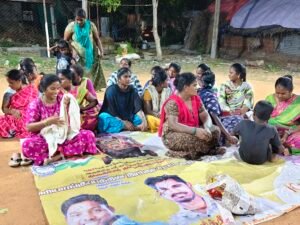
“WOMEN EMPOWERMENT & LIVELIHOOD PROGRAMS”
Providing entrepreneurship opportunities, tailoring, food processing, small business support, and income-generation activities for women and Self Help Groups (SHGs).
Why We Implement Women Empowerment & Livelihood Programs:
Women play a vital role in the social and economic development of their families and communities. However, many women in rural areas, particularly those belonging to Economically Weaker Sections (EWS), Dalit Communities, and Backward Classes, continue to face financial dependence, limited employment opportunities, low income, and restricted access to skill development and markets.
Our Women Empowerment & Livelihood Program is designed to address these challenges by enabling women to become financially independent within their own geographical communities. Through vocational skill training, entrepreneurship development, financial literacy, self-help group strengthening, and sustainable livelihood opportunities, we help women generate a stable source of income without having to migrate or leave their families. The program focuses on empowering women to build self-confidence, improve their decision-making capacity, strengthen household incomes, and contribute to the overall development of their communities. By creating locally available livelihood opportunities, we promote long-term economic sustainability and reduce poverty among vulnerable families. Our primary beneficiaries are women from Economically Weaker Sections (EWS), Dalit Communities, Backward Classes, and Rural Communities, ensuring that the most marginalized sections of society receive the support needed to achieve social and economic empowerment. We believe that when a woman becomes economically empowered, her entire family and community benefit through improved education, better health, increased financial security, and sustainable rural development.
RESC – RURAL EVENING STUDY CENTRES
RURAL EVENING STUDY CENTRES
Supporting school students through afterschool tuition, educational guidance, learning materials, programs. and mentorship
Why We Run Rural Evening Study Centres
Education is the key to breaking the cycle of poverty and creating equal opportunities for every child. However, many students from Economically Weaker Sections (EWS), Dalit Communities, and Backward Class families in rural areas face learning challenges due to poverty, limited academic support at home, language barriers, and lack of educational resources. The transition of government schools to the CBSE curriculum has further widened learning gaps, making it difficult for many students to keep pace. To bridge this gap, Pondicherry Employee Housing Welfare Society (PEHWS) currently operates 10 Rural Evening Study Centres and aims to expand to 50 centres, providing free academic coaching, English communication, digital literacy, life skills, mentorship, and career guidance to 2,500 rural students. Our goal is to improve learning outcomes, reduce school dropouts, and empower children with the knowledge and skills needed for a brighter future.
AGC – ADOPT A GIRL CHILD EDUCATIONAL SPONSORSHIP
ADOPT A GIRL CHILD – EDUCATIONAL SPONSORSHIP
Supporting girl children from low-income families with educational expenses, school materials, uniforms, and scholarships.
Why We Implement the Adopt a Girl Child Educational Sponsorship Program
Despite significant progress, many girls in rural areas continue to face unequal access to education due to poverty, gender discrimination, and financial constraints. These challenges are especially severe among Economically Weaker Sections (EWS), Dalit Communities, and Backward Class families, where girls’ education is often given lower priority than that of boys. Our Adopt a Girl Child – Educational Sponsorship Program ensures that girls from vulnerable families receive the educational support they need to continue their studies without interruption. By providing sponsorship for school expenses, learning materials, and essential educational needs, we help reduce school dropouts, promote gender equality, and empower girls to build a brighter and more independent future. We believe that educating a girl transforms not only her life but also the future of her family and community.
YSDP – YOUTH SPORTS DEVELOPMENT PROGRAMS
YOUTH SPORTS DEVELOPMENT PROGRAMS
Encouraging youth participation in sports activities including:
- Kabaddi
- Volleyball
- Silambam
- Physical fitness and coaching camps
Why We Implement Youth Sports Development Programs
Sports is one of the most effective ways to engage young people in positive and productive activities. Many rural youth, particularly those from Economically Weaker Sections (EWS), Dalit Communities, and Backward Class families, are vulnerable to negative influences such as smoking, alcohol consumption, drug abuse, violence, and other anti-social activities due to a lack of constructive opportunities and guidance. Our Youth Sports Development Program provides a safe and supportive environment where young people can develop discipline, teamwork, leadership, self-confidence, and healthy lifestyles through regular sports and recreational activities. By engaging youth in sports, we help them make positive life choices, stay away from harmful behaviours, and unlock their full potential. We believe that sports not only build stronger athletes but also responsible citizens, confident leaders, and healthier communities.
VT & SPD – VOCATIONAL TRAINING & SHG PRODUCT DEVELOPMENT
VOCATIONAL TRAINING & SHG PRODUCT DEVELOPMENT
Supporting SHGs through vocational training and local production initiatives such as:
- Monthly grocery preparation units
- Homemade products
- Packing and marketing support
- Local employment creation
Why We Support SHGs Through Vocational Training & Local Production Initiatives
Self-Help Groups (SHGs) are a powerful platform for improving the economic status of rural women. However, many SHGs struggle due to limited skills, lack of market access, and inadequate income-generating opportunities. These challenges are especially common among Economically Weaker Sections (EWS), Dalit Communities, and Backward Class families.
Our program strengthens SHGs by providing vocational training and promoting local production initiatives such as monthly grocery preparation units, homemade products, packaging, branding, and marketing support. By creating sustainable livelihood opportunities within their own communities, we help women generate regular income, achieve financial independence, and create local employment.
We believe that strong SHGs lead to empowered women, self-reliant families, and sustainable rural economic development.
DWPP – DRINKING WATER PLANT PROGRAMME
DRINKING WATER PLANT PROGRAMME
- Installation of safe and purified drinking water plants in rural areas.
- Ensure access to clean water for all households.
- Reduce water-borne diseases and improve public health.
- Community maintenance committee formation for sustainability.
Why We Implement Drinking Water Plant Programs
Access to safe and clean drinking water is a basic human need, yet many rural communities continue to depend on unsafe water sources, leading to waterborne diseases, poor health, and increased medical expenses. These challenges are especially severe among Economically Weaker Sections (EWS), Dalit Communities, and Backward Class families.
Our Drinking Water Plant Program provides communities with access to affordable, safe, and purified drinking water, improving public health and reducing the risk of waterborne diseases. The initiative helps create healthier families, improves school attendance among children, enhances productivity, and contributes to the overall well-being and sustainable development of rural communities. We believe that access to clean drinking water is the foundation of a healthy, productive, and dignified life.
MCP – MEDICAL CAMP PROGRAMME
MEDICAL CAMP PROGRAMME
- Free general health check-up camps for rural people.
- Specialized camps
- Eye Check-up Camp
- Dental Camp
- Women & Child Health Camp
- Diabetes and Blood Pressure Screening
- Free minor operation support through partnered hospitals.
- Free medicines and health awareness sessions.
Why We Conduct Rural Medical Camp Programs
Many people in rural communities, especially daily wage workers from Economically Weaker Sections (EWS), Dalit Communities, and Backward Class families, often neglect their health due to financial constraints, lack of awareness, and limited access to quality healthcare. As a result, illnesses are frequently diagnosed late, leading to serious health complications and loss of income.
Our Rural Medical Camp Program brings essential healthcare services directly to underserved villages through free General Health Check-up Camps, Eye Check-up Camps, Dental Camps, Women & Child Health Camps, Diabetes and Blood Pressure Screening, free medicines, health awareness sessions, and minor surgical support through partnered hospitals. Our goal is to promote preventive healthcare, enable early diagnosis and treatment, and improve the overall health and well-being of rural families.
We believe that healthy communities are the foundation of sustainable rural development and a better quality of life.
WEP – WOMEN EMPOWERMENT PROGRAMME
WOMEN EMPOWERMENT PROGRAMME
- Skill development training for women and SHG members.
- Livelihood support activities.
- Tailoring
- Masala preparation
- Handicrafts
- Food processing
- Small business training
- Financial literacy and entrepreneurship guidance.
- Support for self-employment and income generation.
RSAP – ROAD SAFETY AWARENESS PROGRAMME
ROAD SAFETY AWARENESS PROGRAMME
- Awareness campaigns on traffic rules and accident prevention.
- Safety education for
- School students
- Youth
- Two-wheeler riders
- Rural drivers
- Helmet and seatbelt awareness drives.
- Distribution of awareness pamphlets and banners.
EPP – ENVIRONMENT PROTECTION PROGRAMME10
ENVIRONMENT PROTECTION PROGRAMME
- Tree plantation activities in villages, schools, and public places.
- Awareness on environmental pollution control.
- Plastic-free village campaigns.
- Water conservation and clean village initiatives.
- Community participation for green environment development.
Why We Implement Environment Protection Programs
A healthy environment is the foundation of a healthy society. Climate change, pollution, deforestation, and environmental degradation are increasing every year, affecting the lives and livelihoods of rural communities.
Our Environment Protection Program promotes tree plantation, water conservation, waste management, plastic-free campaigns, and environmental awareness to protect natural resources and build greener, healthier villages.
We believe that protecting nature today is securing life for future generations.
SPIP – SOLAR PLANT IMPLEMENTATION PROGRAMME
SOLAR PLANT IMPLEMENTATION PROGRAMME
- Promotion of solar energy usage in rural households.
- Installation support for rooftop solar systems.
- Awareness about renewable energy and electricity savings.
- Encourage eco-friendly and sustainable living. Support for government solar subsidy scheme applications.
ODAP – ORGAN DONATION AWARENESS PROGRAMME
ORGAN DONATION AWARENESS PROGRAMME
- Conduct awareness campaigns on the importance of organ donation
- Educate rural communities about
- Eye donation
- Kidney donation
- Liver donation
- Heart donation
- Blood and tissue donation
- Organize seminars, rallies, and village awareness meetings
- Collaborate with hospitals and health departments for guidance
- Encourage voluntary donor registration
- Distribute educational materials and conduct counselling sessions
- Promote the message of “Save Lives Through Organ Donation”
WMP – WASTE MANAGEMENT PROGRAMME
WASTE MANAGEMENT PROGRAMME
- Create awareness about proper waste disposal and cleanliness.
- Promote segregation of waste into
- Wet waste
- Dry waste
- Plastic waste
- Encourage household composting for organic waste.
- Conduct village cleaning drives regularly.
- Install community dustbins in public places.
- Train SHG members and youth groups in waste management activities.
- Promote recycling and reuse practices.
- Coordinate with local authorities for waste collection and disposal.